
How to Tell the Difference
- Water Test: Spray water on the deposit. If it disappears, it’s likely efflorescence. If it remains, it’s most likely Leachate (calcified paver joints or calcium carbonate.) Both issues are common on pavers except efflorescence can come and go with the weather while leachate will only get worse.
Efflorescence
Cause: Moisture issue that occurs from water entry (leaks, high water table, poor drainage).
Excessive calcium buildup between paver joints is commonly thought to be efflorescence, but technically it is not. Efflorescence occurs when water-soluble salts and minerals within the pavers or base materials are carried to the surface by moisture. Once the moisture evaporates, the salts are left behind, creating a white, chalky residue on top of your pavers (and can also show up in paver joints). Just perform the water test, efflorescence will instantly disappear once water is applied. After 10 minutes to an hour of dry time efflorescence will re-appear.


Leachate (Calcium Build up or Calcium Carbonate)

Cause: The main cause of Leachate is due to hydrostatic pressure from the groundwater seeking to find the easiest outlet. Moisture that is trapped below your pavers will find permeable joints to ooze its way out while in the process of collecting minerals from the paver bedding and paver sub-base which gets deposited on the surface of your pavers as escaped groundwater evaporates. Environmental factors such as high humidity, rain, and improper drainage contribute to the buildup.
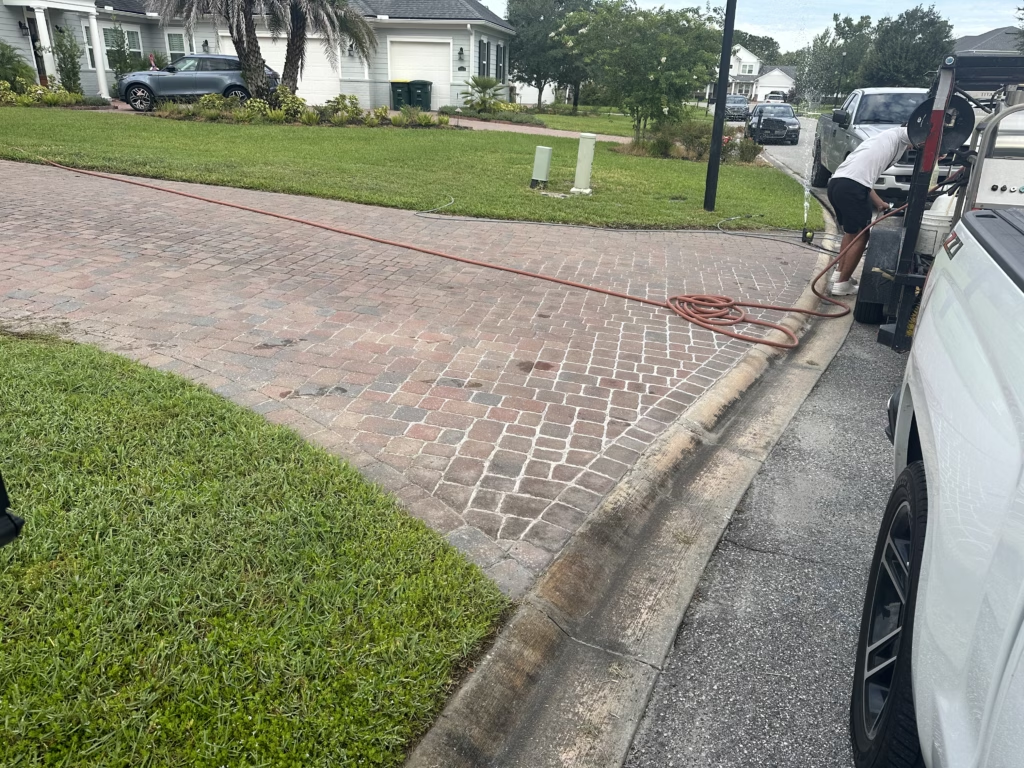
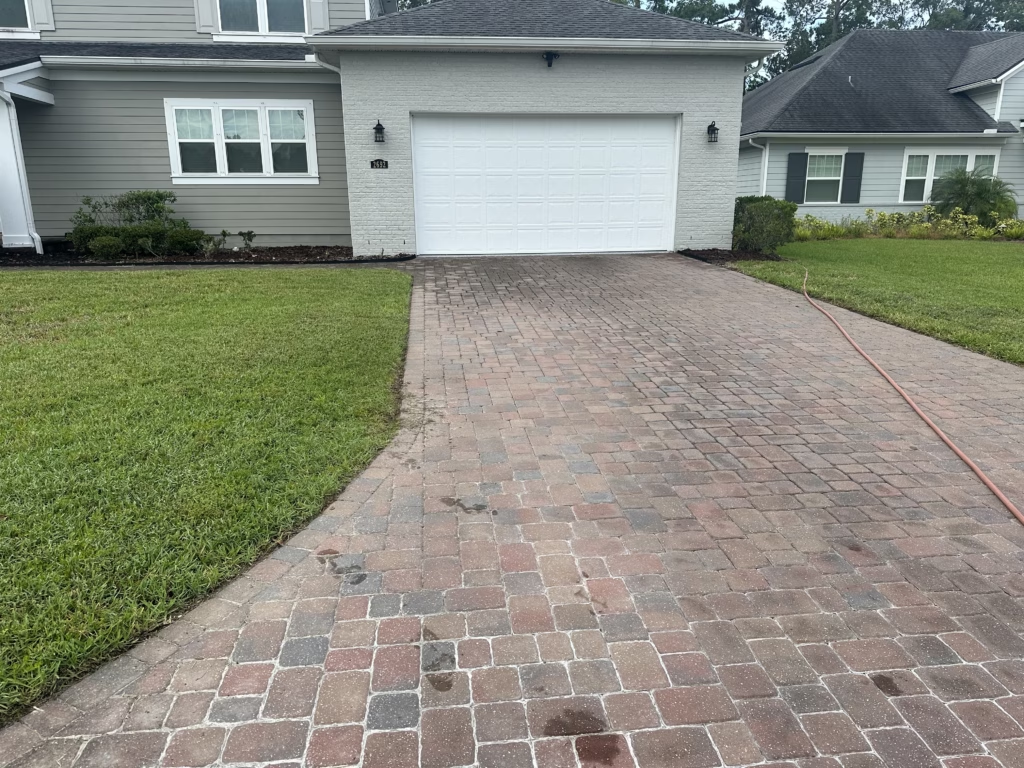
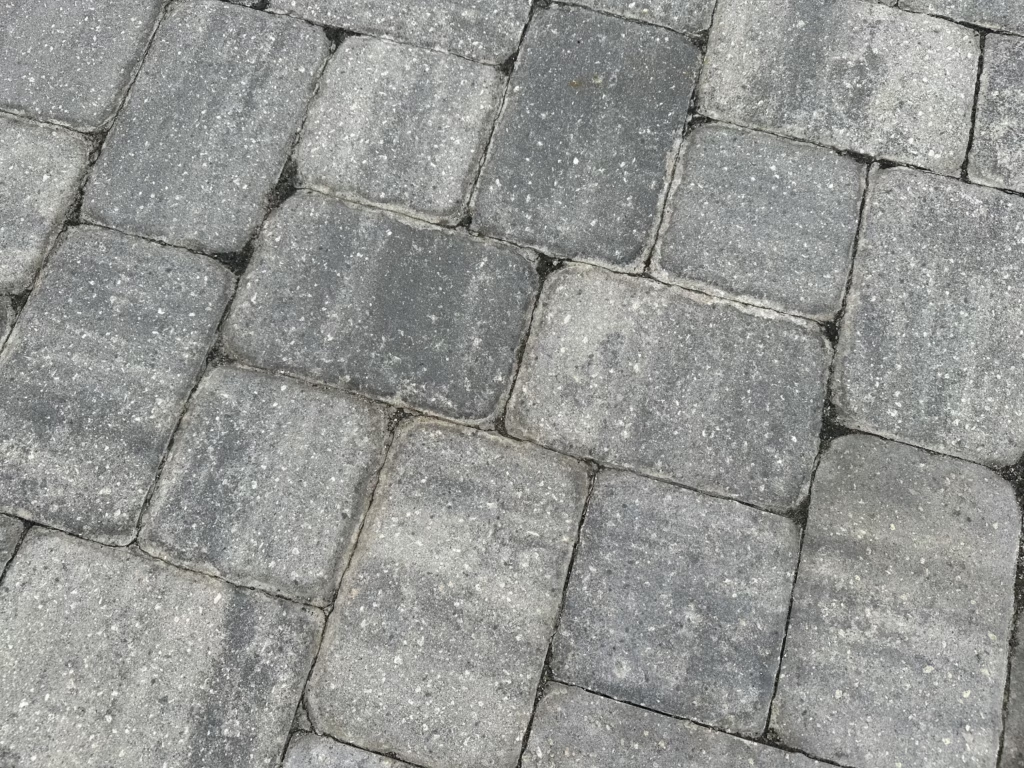
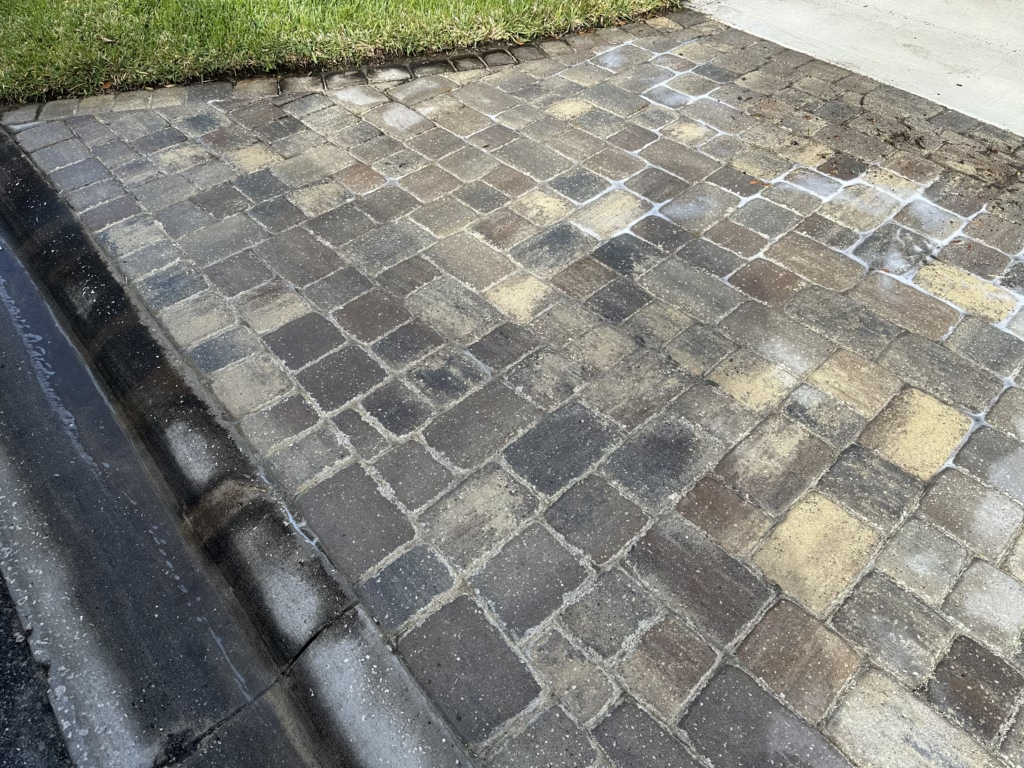
Appearance: It may look like crusty, brown/orange rusty, hardened white deposits, which are way tougher to clean than efflorescence. If your pavers look like any of the images below then you have leachate. Notice how in the last image the pavers are soaking wet yet the leachate is still visible.
Can I get rid of the Leachate stains:
Simple answer is No. Once the calcium build up gets to this level the only way to remove it is to replace the bad section of pavers along with the paver bedding and sub-base. Not the end of the world, but now you will be installing new pavers from a different dye lot next to older pavers. So if you decide to start taking care of your pavers and have them professionally sealed after replacing the calcified pavers they will not uniformly match. Plus new pavers will have a smoother finish if placed directly beside older pavers which are now worn down. Replacing the leachate affected pavers and not the bedding and sub-base along with properly engineered sub-surface drainage means it’s just going to come right back.
Over the years I have probably spent a combined 200+ hours of my life trying best to explain Leachate with paver sealing customers. I created the cross sections below to better help visually explain the how and why aspects of leachate.


Prevention
The origin of groundwater differs from one home to another, but commonly observed situations include: Homes where the ground (or even a raised planter bed) sits at a higher elevation than the adjoining paver area that is on a noticeable slope. Leachate will appear at the elevation low points on the paver area.